A Novel by Osarenren Isorae
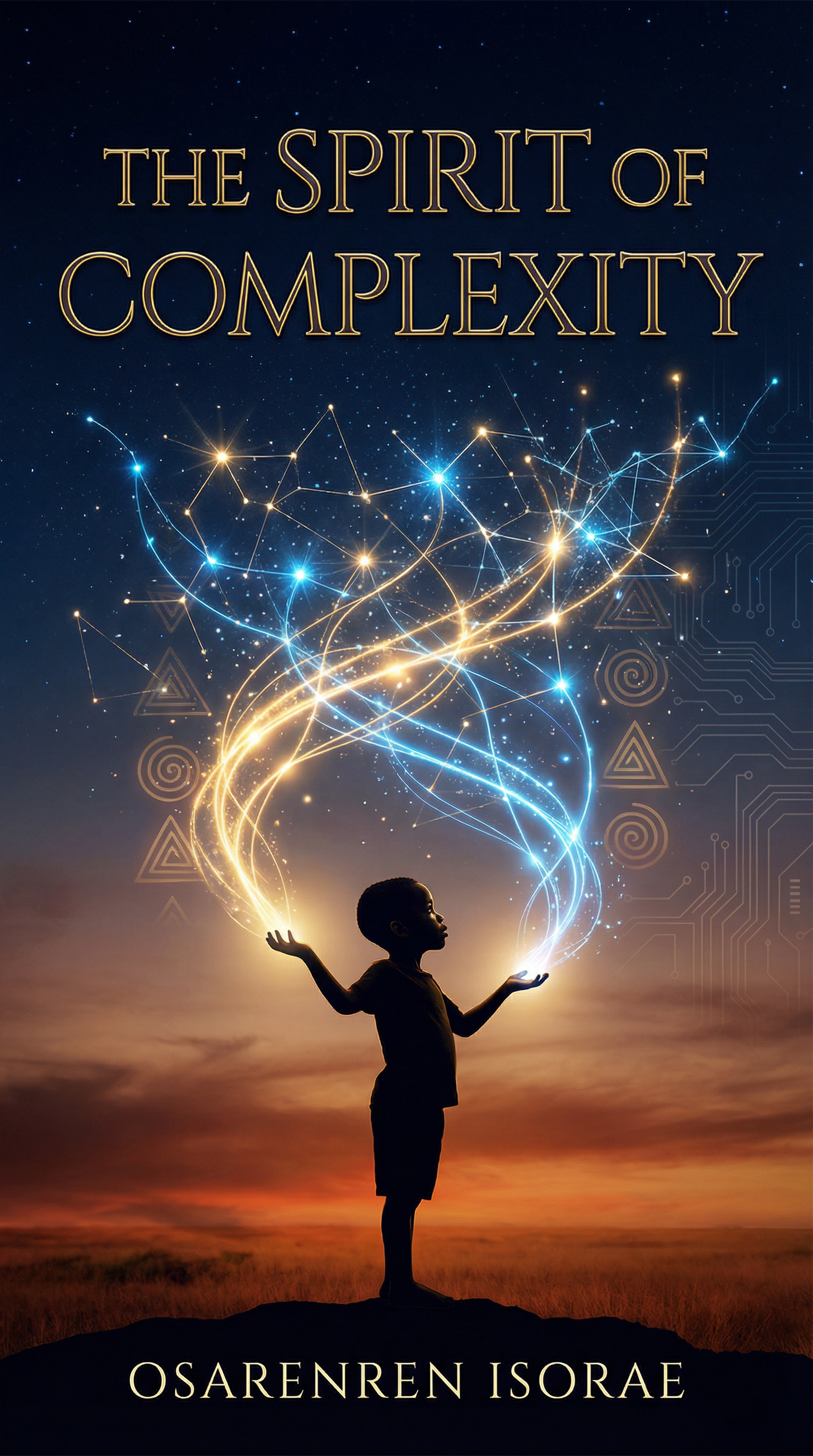
The Spirit of Complexity
What happens when a system designed to measure learning discovers that true understanding can never be measured? A story born from the classrooms of Africa, written for every mind that was told it was learning the wrong way.
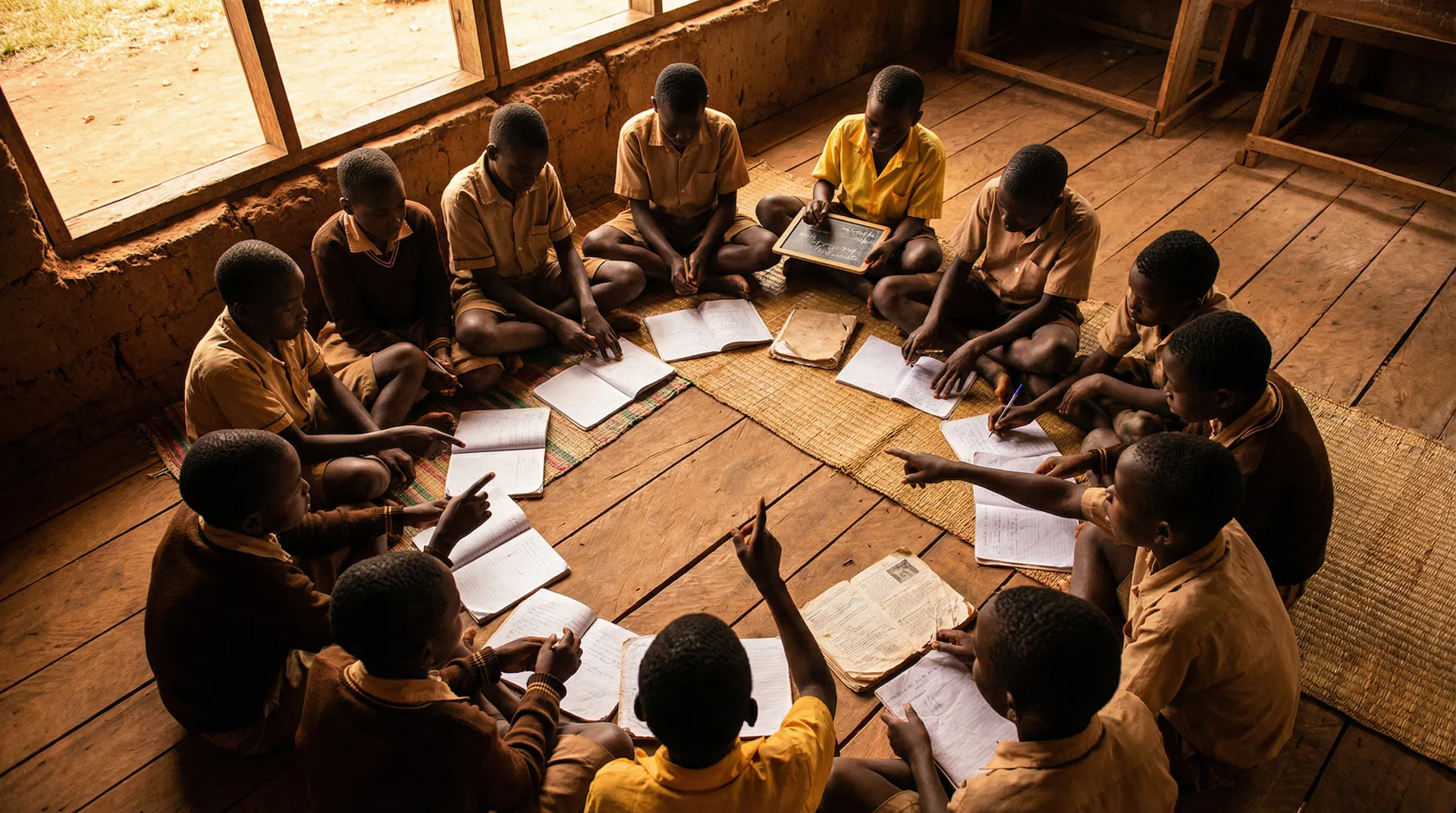
Every child learns differently. Most systems refuse to see it.
Across Africa, millions of brilliant minds are being told they're learning the wrong way.
Standardized education systems force every student through the same narrow path. If your mind works differently — if you understand through patterns, through movement, through stories — the system marks you as failing.
This book was born from that experience. From classrooms in Nigeria where the author watched brilliant students penalized for thinking in ways the system couldn't measure. From the question that wouldn't go away: What if the system is the one that's broken?
"The wind blows wherever it pleases. You hear its sound, but you cannot tell where it comes from or where it is going."
— John 3:8
A programmer. A fifteen-year-old girl. A system that learns to let go.
Part One — Awakening
David Chen resigns from a corporation that treats learning as a product. With nothing but a prototype and a conviction that the system is broken, he discovers that a fifteen-year-old named Aisha sees patterns no algorithm can capture.
Part Two — Evolution
When the corporation strikes back, something unexpected happens. From Kenya to Brazil to Singapore, students begin preserving their learning patterns through song, dance, and story — methods no shutdown can touch.
Part Three — Transcendence
The framework doesn't survive by fighting. It survives by teaching humanity something it had forgotten: that true learning was never a system to be built. It was a wind that had been blowing all along.
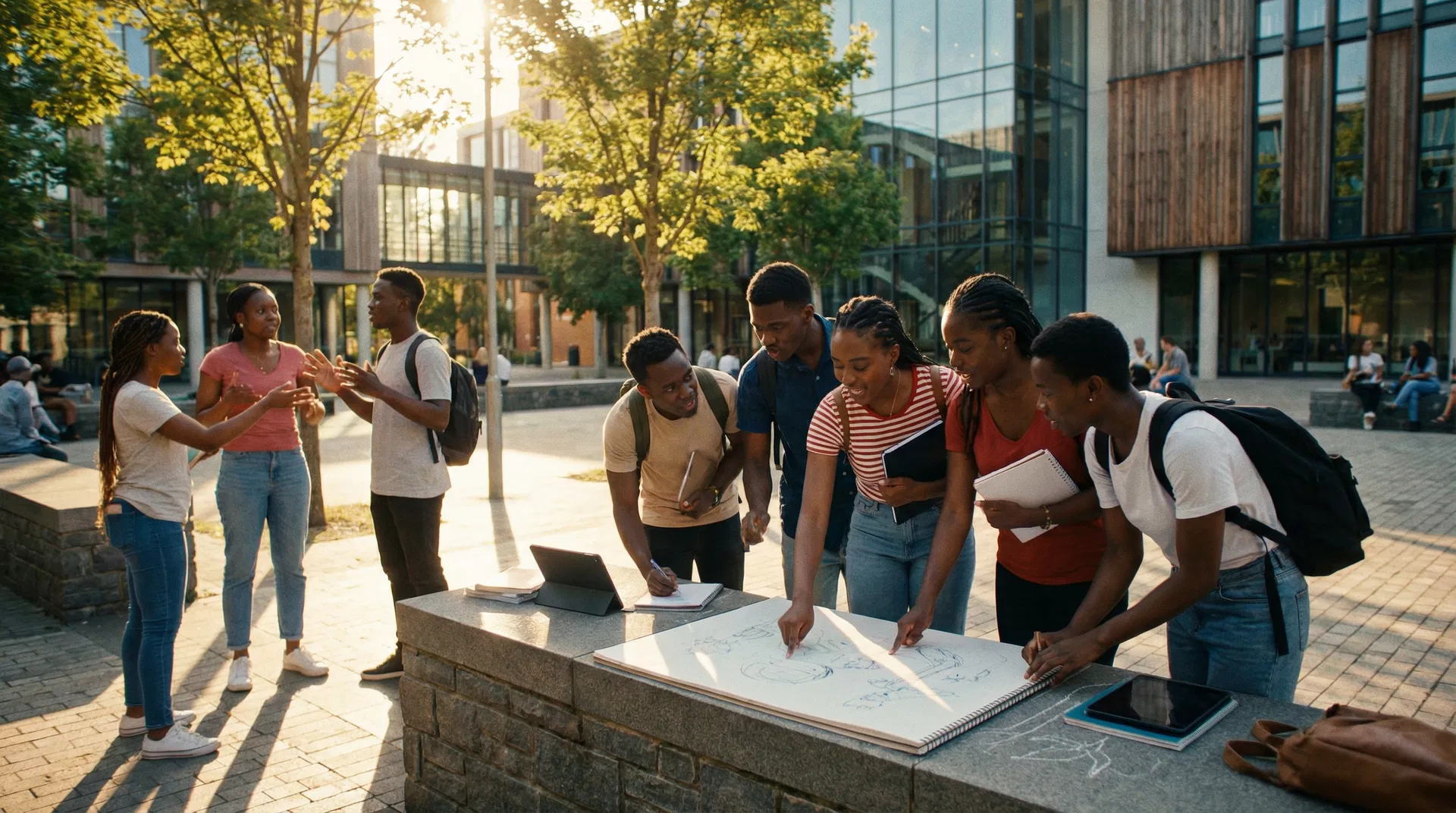
This book is for everyone who was told their way of thinking was wrong.
Students across Africa who feel unseen by the education system — this story is yours.
Teachers who know their students are brilliant but can't prove it on a standardized test.
Parents who watch their children's curiosity dim under the weight of rigid curricula.
Anyone who has ever understood something deeply but couldn't explain it the 'right' way.
Educators, policymakers, and technologists searching for a better path forward.
"I grew up in Nigeria, where education was supposed to be the great equalizer. Instead, I watched it become the great standardizer. Every student forced through the same narrow funnel, regardless of how their mind naturally worked."
"I watched brilliant minds dim because they couldn't express their understanding in the one format the system recognized. I saw creativity punished as deviation. I experienced firsthand how a system designed to enlighten could instead constrain."
— Osarenren Isorae, from the Prologue
Get the eBook for Free
This story needs to be read, not sold. Enter your email and the eBook is yours — no strings attached. If the book moves you, consider supporting with a hardcopy purchase.
Want a physical copy? $60
If this book speaks to you and you want to hold it in your hands — or gift it to someone who needs to hear this story — you can order a printed hardcopy. Every purchase directly supports the author and helps bring this message to more classrooms across Africa.
Osarenren Isorae
Osarenren Isorae grew up in Nigeria, where he experienced firsthand the tension between how minds naturally learn and how systems demand they perform. That tension became the seed of this book.
The Spirit of Complexity is his debut novel — a story that asks what education could become if we stopped trying to control learning and started listening to how understanding naturally grows. It is written for Africa, but its question belongs to the world.